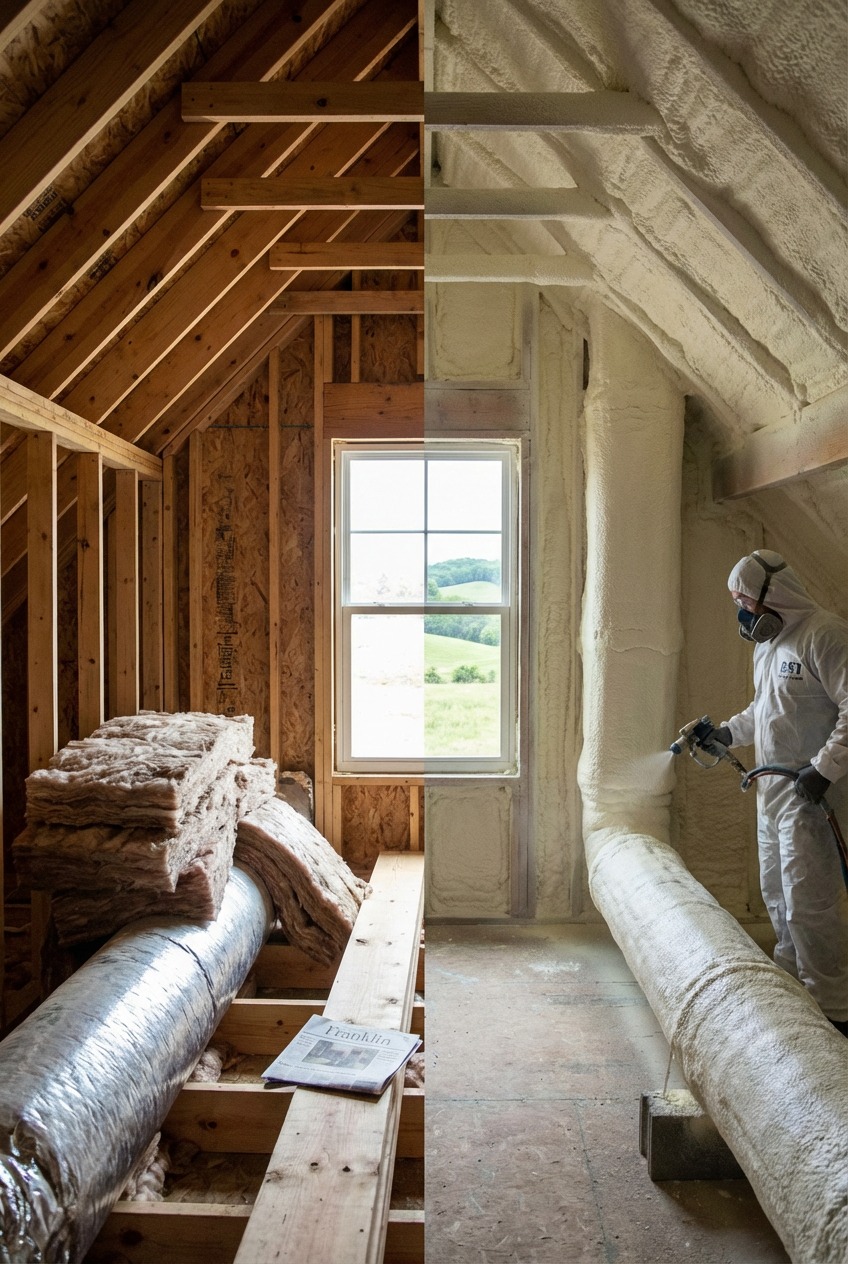
DIY Insulation vs. Professional Installation
When considering insulation options for a 1500 sq ft attic, the choice between DIY and professional installation can significantly impact both costs and outcomes. DIY insulation offers the advantage of lower upfront expenses, allowing homeowners to purchase materials such as fiberglass batts or cellulose and tackle the project themselves. However, this approach requires careful preparation, planning, and physical effort.
On the other hand, professional installation comes with a higher price tag but guarantees a more polished result. Experts bring experience and knowledge, ensuring that insulation is applied correctly, which is especially important for materials like Spray Foam Insulation that require precise application for optimal effectiveness.
Pros and Cons of Each Approach
Choosing between DIY insulation and hiring professionals comes with distinct advantages and disadvantages. DIY insulation, such as using fiberglass batts or roll insulation, can save homeowners a significant amount on labor costs. This route allows individuals to work at their own pace and choose insulation materials suitable for their needs. However, the quality of installation can vary greatly based on experience and knowledge.
On the other hand, professional installation offers expertise and often includes modern techniques like Spray Foam Insulation, which provides superior air sealing and energy efficiency. Professionals come equipped with the necessary tools and materials, ensuring a proper installation.
Regional Cost Variations
Regional cost variations play a significant role in determining the overall expense of insulating a 1500 sq ft attic. Factors such as labor rates, material availability, and local demand can greatly influence pricing. In areas with a high cost of living, both materials and installation may be more expensive.
When it comes to materials, options like Spray Foam Insulation can also fluctuate in price depending on the region. Areas where this insulation type is commonly used might have better access to suppliers and competitive pricing.
How Location Affects Pricing
Location significantly influences the cost of insulating an attic. In areas with higher living expenses, labor and material costs often reflect that demand, driving up prices for both DIY and professional insulation projects.
Weather patterns also play a crucial role in pricing. Regions that experience extreme temperatures may require more robust insulation solutions to maintain energy efficiency.
Additional Costs to Consider
Insulating an attic often involves more than just the cost of insulation materials alone. Additional expenses can arise from necessary preparations such as air sealing and ensuring proper ventilation. Cracks and gaps in the attic can lead to drafts, diminishing the effectiveness of your insulation.
Another cost to consider is the type of insulation chosen for the project. While traditional insulation options like fiberglass batts are usually more affordable, materials such as Spray Foam Insulation can significantly increase upfront costs. However, Spray Foam Insulation offers superior thermal resistance and helps in reducing energy bills over time.
Ventilation and Air Sealing
Proper ventilation and air sealing are crucial components of a well-insulated attic. Good ventilation helps regulate temperature and moisture levels, reducing the risk of mold growth and structural damage.
Air sealing further enhances the insulation's effectiveness. Leaky attics can allow heated or cooled air to escape, leading to increased energy costs. Sealing these leaks with materials such as caulk or Spray Foam Insulation can significantly improve energy efficiency.